The University of South Carolina Ends Remote Work
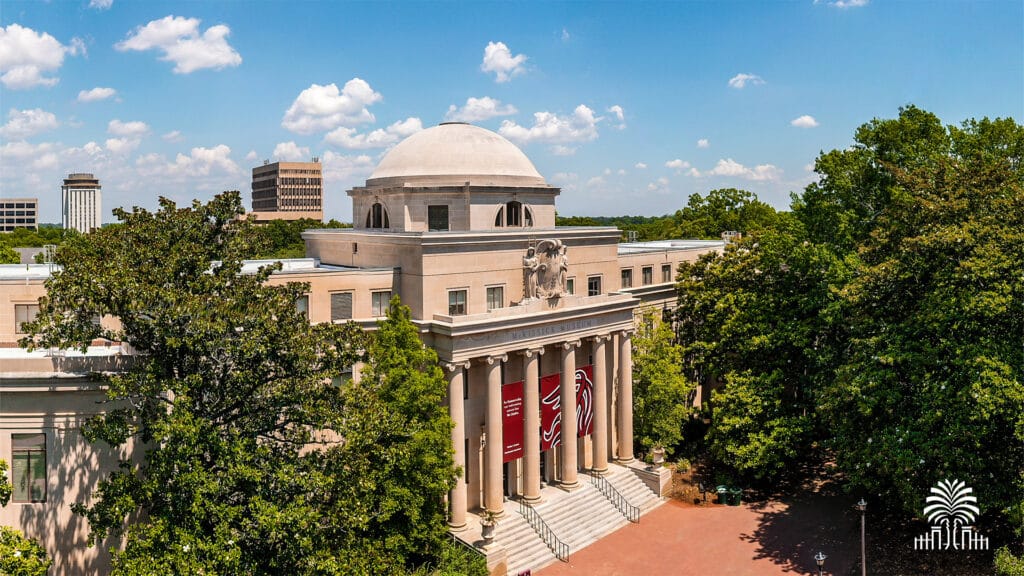
The University of South Carolina is ending remote work, and will require almost all employees to be on campus beginning July 1, 2025.
According to a “Return To Campus Plan” published by the university, “This ensures we provide the highest level of support and engagement for our students, faculty, staff and the greater community, while also providing exceptional educational experiences. Being physically present enhances collaboration, communication and the overall sense of community.”
The RTO order “applies to all University of South Carolina – Columbia full-time and part-time faculty, staff and administrators in FTE, Research Grant, Time Limited and temporary positions.”
Exceptions
The University wrote that “the expectation is that USC faculty and staff return to campus.” However, there are some exceptions that will allow some employees to continue to work remotely. These include:
- “The position requires the faculty or staff member to work remotely (i.e. regional admissions
recruiters or when grants designate specific geographic restrictions) No additional
justification required;- The employee has a unique or specific skillset that cannot be replaced through recruiting in
the South Carolina workforce if vacated;- Adjunct faculty who teaches a uniquely specialized subject matter that is considered
difficult to replace and/or recruit if vacated;- Position that does not directly interact with students, faculty, staff, or constituents. The
position is considered a critical role for the area and the employee has demonstrated they
can maintain productivity while working remotely and/or has attributes to work
independently and productively; or- Faculty and staff who are engaged only in online degree programs (e.g., Palmetto College
on-line programs or Master’s degree programs offered exclusively online). No additional
justification is required.”
The University was originally closed in March 2020 due to the COVID-19 pandemic, but later reopened with in-person and online classes, along with exceptions for remote work. Currently, about 730 employees work remotely or in a hybrid format.